Explained for kids ages 5 to 9
Reduce, reuse, recycle for kids, and the six Rs
Reduce, reuse, recycle are three ways to make less garbage: use less, use it again, and sort it so it can be made into something new. The Rummage Crew uses the six Rs, adding Rethink (think again), Refuse (say no thanks) and Repair (fix it).
The six Rs
| R | What it means | Crew member |
|---|---|---|
| Rethink | Think again | Aria |
| Refuse | Say no thanks | Penny |
| Reduce | Use less | Leo |
| Reuse | Use it again | Zoey |
| Repair | Fix it | Koru |
| Recycle | Make it into something new | Marcus |
The classic three are Reduce, Reuse and Recycle. The best-known 5 Rs (from Bea Johnson's Zero Waste Home) are Refuse, Reduce, Reuse, Recycle and Rot. The six Rs used here, Rethink, Refuse, Reduce, Reuse, Repair and Recycle, are the ones taught in UK Design and Technology classes. Lists of 7 Rs usually add Repurpose.
1. Rethink: think again
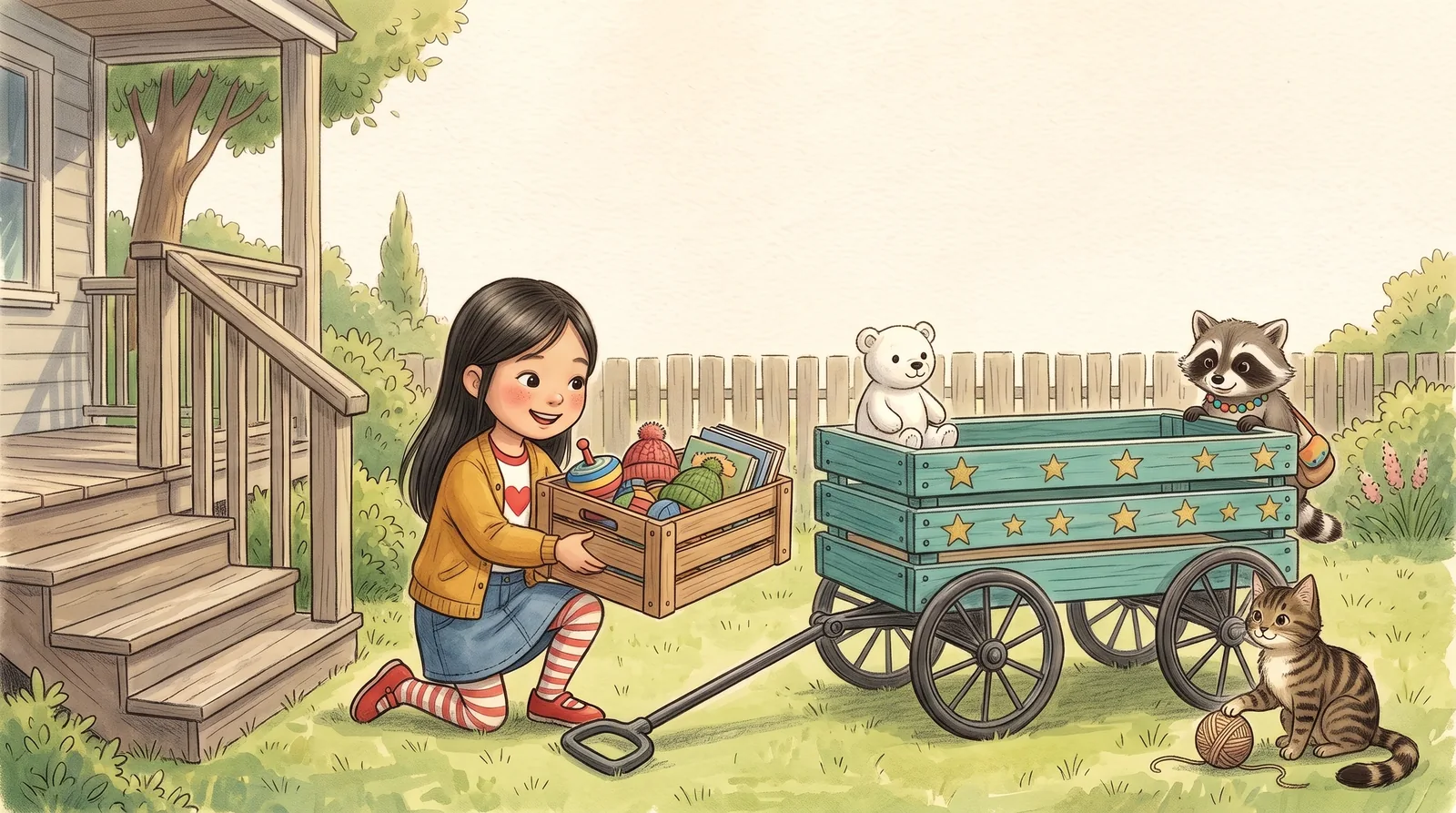
Look at a thing a new way before you toss it. An old jar could hold pencils. A rusty wagon could carry donations.
Rethink examples for kids
- Before you throw something out, ask what else it could be.
- Turn a glass jar into a pencil holder.
- Make a cardboard box into a fort or a puppet theatre.
- Look at an old wagon and see a donation wagon, like Aria.
2. Refuse: say no thanks
Ask "do we really need it?" and say no thanks to things you will not use: extra straws, freebies, more plastic bags.
Refuse examples for kids
- Say no thanks to a plastic straw.
- Skip the goody-bag trinkets you will not play with.
- Ask for no bag when you can carry it.
- Turn down free flyers and samples.
3. Reduce: use less
Use less in the first place: fewer new things, less packaging, less waste.
Reduce examples for kids
- Bring a reusable water bottle.
- Pack lunch in a box, not in plastic bags.
- Borrow library books instead of buying every one.
- Turn off the tap while you brush your teeth.
4. Reuse: use it again
Use it again, give it a new job, or pass it on: hand-me-downs, toy swaps, a box turned into a fort.
Reuse examples for kids
- Pass outgrown clothes to a younger cousin.
- Swap books and toys with friends.
- Use the back of printed paper for drawing.
- Donate toys in good shape to a toy drive.
5. Repair: fix it
Mend it instead of replacing it: sew the seam, oil the wheel, glue the spine.
Repair examples for kids
- Sew up a torn seam on a stuffed animal (with a grown-up).
- Put book tape on a ripped page.
- Sew a button back on.
- Oil a squeaky wheel, like Koru does in Book 1.
6. Recycle: make it into something new
Sort what is really finished so its materials can become new things.
Recycle examples for kids
- Rinse cans and bottles before they go in the bin.
- Flatten cardboard boxes.
- Check the number in the recycling triangle against your town's list.
- Take batteries to a drop-off, never the bin.
Why the order matters
The Rs go from what saves the most to what saves the least. Thinking again before you buy or toss (rethink) comes first. Not bringing something home at all (refuse) beats using less of it (reduce). Using a thing again or fixing it keeps it out of the bin. Recycling comes last because it still takes trucks, factories, energy and water.
A simple way to say it to kids: "What else could it be? Do we need it? Can we use less? Can we use it again? Can we fix it? Only then, which bin?"
Hands-on: 8 recycling projects for kids. Free to print: the six Rs poster and the cut-and-sort worksheet. Doing this for Earth Day? See Earth Day for kids and 20 Earth Day activities.
Reduce, reuse, recycle: common questions
What are the 3 Rs for kids?
The 3 Rs are Reduce, Reuse and Recycle. Reduce means using less. Reuse means using something again instead of throwing it away. Recycle means sorting materials like paper, cans and bottles so they can be made into new things.
What are the 5 Rs?
The best-known 5 Rs come from Bea Johnson's book Zero Waste Home: Refuse, Reduce, Reuse, Recycle and Rot (compost), in that order. Some classrooms swap Rot for Repurpose or Repair.
What are the 6 Rs of sustainability?
Rethink, Refuse, Reduce, Reuse, Repair and Recycle. This is the version taught in UK Design and Technology, and the one The Rummage Crew uses, with one R for each of the six kids.
What are the 7 Rs?
There is no single list, but the most common 7 Rs are Rethink, Refuse, Reduce, Reuse, Repair, Repurpose and Recycle. Repurpose means giving an old thing a new job; in the six Rs it is counted under Reuse.
Why is reduce first in reduce, reuse, recycle?
Because the best way to cut waste is not to make it. Reusing comes next, and recycling is the last step for things that cannot be used again, since recycling still uses trucks, factories, energy and water.
How do you explain recycling to a 5-year-old?
Say: "Some things we throw away can be turned into new things. Paper can become new paper, and cans can become new cans. We put them in a special bin so a factory can make them into something new." Then let them help sort.
What is a good book to teach reduce, reuse, recycle?
For ages 5 to 9, The Secret of the Squeaky Wagon from The Rummage Crew covers Repair and Rethink through a story. Our list of recycling books for kids has more picks by age.